

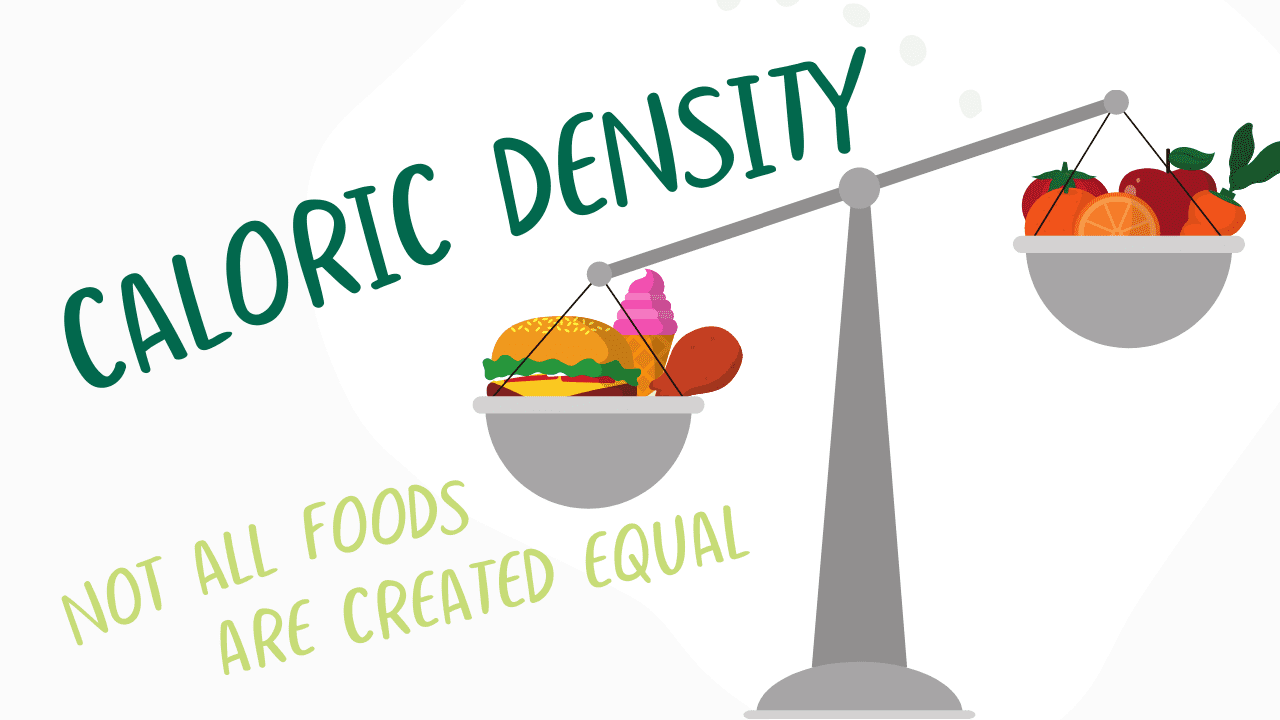
Are you getting the nutrition your body truly needs? Most people think they’re eating healthy, but conventional foods often lack the vital nutrients our bodies crave. The solution lies in understanding nutrient density and choosing foods grown the way nature intended.
Our ancestors knew something we’ve forgotten: real nutrition comes from healthy soil. Today, we’ll explore why nutrient-dense foods matter, what conventional agriculture is missing, and how organic and regenerative farming can transform your health.
What Are Nutrient-Dense Foods?
Nutrient-dense foods pack maximum nutrition into every bite. Think of a sun-ripened tomato grown in living soil—it’s bursting with vitamins, minerals, antioxidants, and compounds that support your health. This isn’t just produce; it’s nature’s medicine.
True nutrition flows from healthy soil to vibrant plants. Each bite delivers complex nutrients that work together in your body. These foods contain:
- Essential vitamins and minerals your body needs daily
- Antioxidants that fight inflammation and disease
- Phytonutrients that boost immune function
- Trace elements often missing in modern diets
When soil is healthy and alive, plants can access and concentrate these vital nutrients. The result? Food that actually nourishes you at the cellular level.
The Problem with Conventional Foods
Walk into any supermarket and you’ll find shelves full of foods that look nutritious but deliver far less than they promise. Conventional farming has prioritized appearance and shelf-life over nutritional value.
Here’s what’s happening to our food:
Depleted soil equals depleted nutrition. Industrial farming strips soil of its natural nutrients. When soil lacks minerals, plants can’t absorb them either.
Chemical interference. Synthetic pesticides and fertilizers disrupt the natural processes that create nutrient-dense foods.
Nutrient decline over time. Studies show that fruits and vegetables today contain significantly fewer nutrients than 50 years ago:
- Modern wheat has 40% less protein than heritage varieties
- Fruits and vegetables show marked declines in vitamins and minerals
- Iron content in spinach has dropped by nearly 50%
This creates “hidden hunger”—you eat enough calories but remain undernourished. Your body craves more food because it’s not getting the nutrients it needs.
Why Organic Foods Are Superior
Organic farming isn’t just about avoiding chemicals—it’s about creating the conditions for maximum nutrition. When you choose organic, you choose foods that develop their full nutritional potential.
Higher nutrient content. Research consistently shows organic produce contains:
- More antioxidants (up to 40% higher in some studies)
- Higher levels of beneficial compounds like flavonoids
- Better mineral profiles
- More omega-3 fatty acids in organic meat and dairy
Lower toxic load. Organic foods contain significantly fewer pesticide residues. This means your liver can focus on its primary job—keeping you healthy—instead of constantly processing chemicals.
Better taste and freshness. Without synthetic preservatives, organic foods are often fresher and more flavorful. Your taste buds can tell the difference.
But organic is just the beginning. The next level of nutrition comes from understanding how the land itself is managed.
Regenerative Agriculture: The Ultimate in Nutrient Density
Regenerative agriculture goes beyond organic. It actively heals the land while producing incredibly nutrient-dense foods. This farming method works with nature’s systems to:
- Rebuild soil health through composting and natural fertilization
- Increase biodiversity by supporting beneficial insects and wildlife
- Sequester carbon to help combat climate change
- Restore water cycles and prevent erosion
Foods from regenerative farms carry the vitality of living soil. This soil breathes and pulses with microbial life. It’s been restored to its natural state of abundance through careful practices like:
- Cover cropping to feed the soil
- Rotational grazing that mimics natural patterns
- Composting to return nutrients to the earth
- Avoiding tillage that disrupts soil structure
The Health Benefits of Nutrient-Dense Foods
When you eat truly nutrient-dense foods, your body responds with increased energy, better immunity, and improved overall health. Here’s what science shows:
Enhanced immune function. Nutrient-dense foods provide the vitamins and minerals your immune system needs to function optimally.
Better energy levels. Real nutrients fuel your cells efficiently, reducing energy crashes and cravings.
Improved brain function. Your brain needs high-quality nutrients to produce neurotransmitters and maintain cognitive health.
Reduced inflammation. Antioxidants and anti-inflammatory compounds in nutrient-dense foods help your body heal and recover.
Better nutrient absorption. When foods contain their full spectrum of nutrients, your body can absorb and use them more effectively.
How to Find Nutrient-Dense Foods
Ready to upgrade your nutrition? Here’s how to find the most nutrient-dense foods:
Shop at farmers markets. Connect directly with growers who prioritize soil health and regenerative practices.
Look for certified organic labels. This ensures foods are grown without synthetic chemicals that deplete nutrition.
Seek out regenerative farms. Many farms practice regenerative agriculture but aren’t certified yet. Ask about their growing methods.
Choose seasonal and local. Foods harvested at peak ripeness and consumed quickly retain maximum nutrition.
Grow your own. Even a small garden can provide incredibly nutrient-dense herbs and vegetables.
Join a CSA (Community Supported Agriculture). This connects you directly with local farms practicing sustainable methods.
Buy from our farm; Mayfield Farm located in KZN-Stanger. We have a pioneering farm and we will be creating a pioneering market garden that delivers nutrient dense food like no other. Visit our instagram: mayfieldfarm. and our products website: Rewildproducts.co.za and our farm website: mayfieldfarm.co.za
Making the Switch to Better Nutrition
Transitioning to nutrient-dense foods doesn’t have to happen overnight. Start small:
- Replace one conventional item per shopping trip with an organic or locally-grown alternative
- Focus on the “dirty dozen” – prioritize organic versions of foods highest in pesticide residues
- Build relationships with local farmers who can tell you about their growing practices. like us on mayfield.
- Invest in quality over quantity – a smaller amount of nutrient-dense food often satisfies better than larger portions of conventional food
The Connection Between Soil Health and Human Health
The relationship between soil health and human health is profound and often overlooked. When we choose foods from healthy, living soil, we participate in a beautiful cycle of healing.
Healthy soil creates healthy plants. Healthy plants create healthy people. And when we support regenerative agriculture, we help create more healthy soil for future generations.
This isn’t just about personal health—it’s about planetary health. Every purchase becomes a vote for farming practices that restore rather than deplete our natural resources.
Your Journey to Better Nutrition Starts Now
The path to optimal health through nutrient-dense foods is illuminated by simple wisdom: choose foods that come from healthy land, grown with care, and consumed with gratitude.
Start where you are. Use what you have. Do what you can. Every nutrient-dense meal is a step toward better health for you, your family, and the earth that sustains us all.
Your body knows the difference between real nutrition and empty calories. When you feed it foods grown in living soil, tended with love, and harvested at their peak, you’ll feel the difference in your energy, your health, and your vitality.
The future of food is regenerative, organic, and nutrient-dense. By choosing these foods today, you’re not just nourishing your body—you’re supporting a food system that heals the earth while feeding us all.
Ready to transform your health through nutrient-dense foods? Start by visiting your local farmers market this weekend. Talk to the growers. Ask about their soil. Taste the difference that real nutrition makes. Your body—and the planet—will thank you.